The intelligence that turns connect rates up.
Two layers, one mission. Early Media Audio Detection catches signals at the SIP layer: granular response codes, pre-answer announcements, and iOS 26 Call Screening events. T+ Insights turns those signals into operational intelligence: DID effectiveness, ASR trending, disposition mapping, and recommended actions. Together they form the Precision pillar of high-velocity outbound.
Capacity
High-Velocity Network. 3x capacity, unlimited sessions, 99.999% up-time.
Precision
T+ Insights + EMA Detection. The intelligence layer that drives connect rates up.
Reputation
NRM: Spam Likely remediation across US & Canada. Flat monthly fee.
The catalogue that decodes what dialers can't see.
Every non-connected call carries diagnostic signal: in pre-answer audio, in SIP response codes, in call duration patterns. EMA Detection is the methodology that captures those signals and turns them into actionable dispositions.
200+ pre-answer announcements, continuously catalogued.
Early-media announcements are the audio messages a terminating carrier returns before a call is answered: pre-recorded statements about why a call failed, where it was routed, or whether the number is even reachable. Most dialer infrastructure treats them as silence. Teams Plus maintains a continuously updated catalogue of 200+ recorded pre-answer announcements, mapped to a structured category system that drives downstream disposition logic.
When new announcements are detected on the network, they're reviewed and assigned to one of the categories below. The catalogue is the foundation; the disposition mapping is what makes it operational.
Every announcement in the catalogue is mapped to one of nine operational categories, each tied to a specific recommended action downstream in the disposition layer.
For calls without captured early-media audio, T+ infers disposition from SIP response codes combined with call duration. Each code maps to a specific interpretation, not a generic "call failed" bucket.
Forbidden
Server refuses the call: credentials or active rejection. Treated as Blocked; rotate ANI, suppress 60 days.
Not Found
Number not routed at that domain. With 0-second duration, indicates Out of Service; remove from dialing.
Temporarily Unavailable
Device unreachable, unregistered, or overloaded. First 15 attempts = Temporarily OOS; persistent = OOS.
Busy Here
Receiving party busy or line engaged. First occurrence = Blocked; rotate ANI. Multiple consecutive = 15-day pause.
Request Terminated
Call cancelled before answer. Sub-1-second pattern = Blocked; longer = Try Again.
Service Unavailable
Server error or overloaded network. Initial = Temporarily OOS; persistent 503s escalated to carrier support.
Request Timeout
Endpoint not reached in time. Short duration + multiple attempts = Out of Service.
Gone / Does Not Exist Anywhere
Endpoint no longer exists. Short duration + multiple attempts = Out of Service; permanent removal.
Detection isn't useful unless it changes what the dialer does next. Every early-media audio signal, SIP code, and duration pattern maps to one of four dispositions, each with a prescribed downstream action.
Blocked
Call actively rejected by network or end user. SIP 403, 486, or sub-1s 487 patterns. Quick disconnect, no ringing.
Out of Service
Number no longer exists or unroutable. SIP 404, 410, 604, or repeated 480/503/408 with very short durations.
Temporarily OOS
Endpoint unreachable or network overloaded. Early-attempt 480, 500, 503, 408 with short durations.
Try Again
Ambiguous pattern: mixed codes, 3-15s durations, occasional ringing. Doesn't map cleanly elsewhere.
Apple's silent screening, decoded.
Apple's iOS 26 Call Screening intercepts unknown callers before the device rings, a signal that looks like a ringing call to most networks and gets misclassified as a no-answer. EMA Detection identifies iOS 26 Call Screening events in real time, in both English and French, so the dispositions reflect what actually happened on the device.
Signals become operational intelligence. Intelligence becomes action.
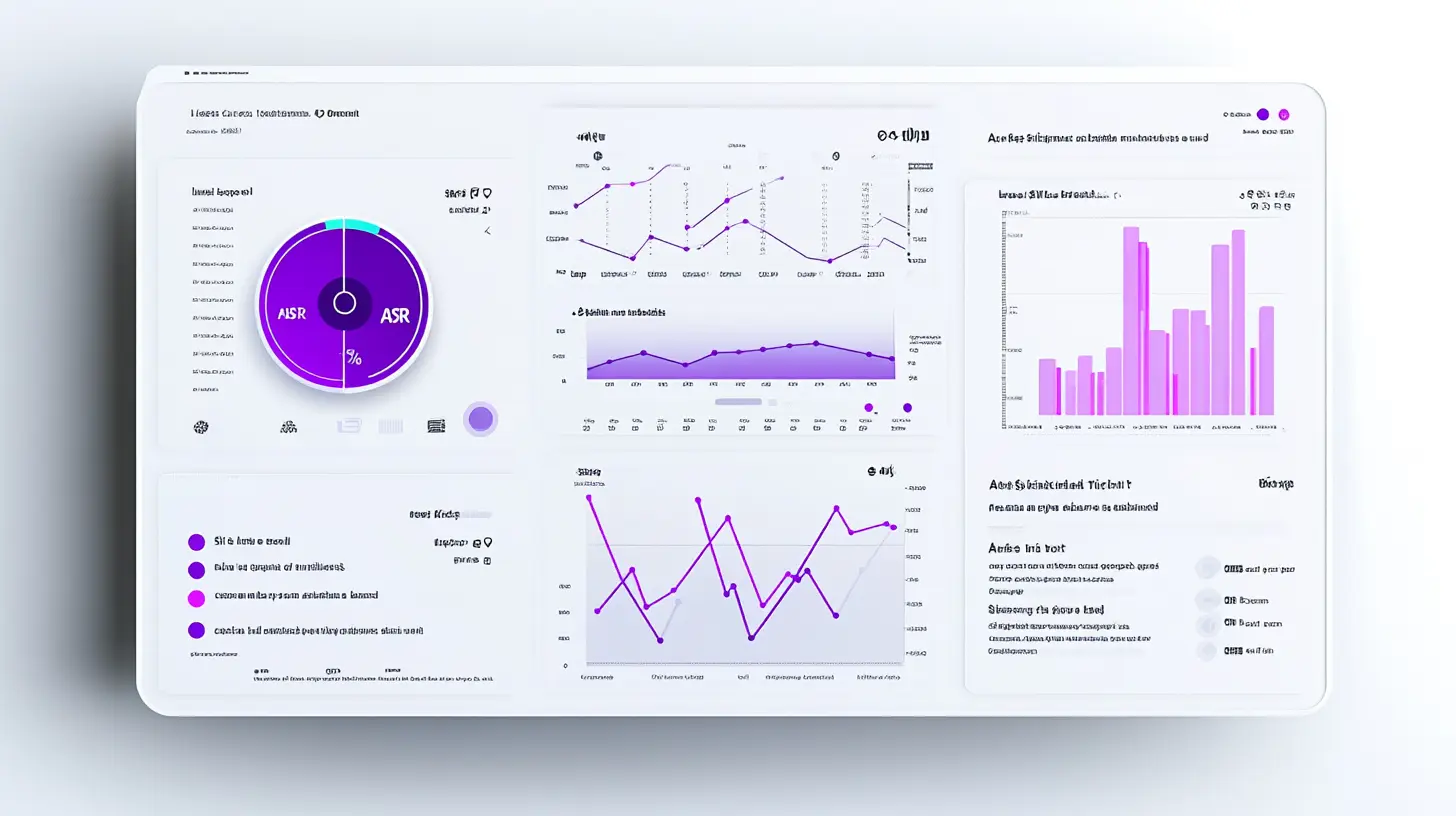
EMA Detection catches the signals. T+ Insights makes them operational, turning per-call dispositions into the DID-level, route-level, and campaign-level analytics that drive answer rates up over time. The customer portal is where this lives.
DID effectiveness scoring
Per-DID answer-rate performance, disposition distribution, and reputation health over time. Identify which numbers in the pool are performing and which need to be rotated, paused, or remediated before they drag the campaign down.
ASR trending & route health
Real-time Answer Seizure Ratio across campaigns, carriers, and destination markets. Live MOS scoring, carrier route health, and concurrent session utilization, visible as it happens, not retrospectively.
SIP error classification
Per-code, per-carrier, per-route SIP error breakdowns. Isolate which carrier route is generating the 403s; identify the destination market driving 480 patterns. Diagnosis at the granularity where remediation is actually possible.
Customer portal
The surface where dispositions, telemetry, and DID-level analytics are presented to your operations team. EMA catalogue browsing, disposition drill-down, and live campaign health, accessible to the operators who need it.
Built on infrastructure that scales beyond reporting.
Call data is ingested into our Snowflake-backed warehouse and surfaced in real time through the customer portal. The same pipeline that powers today's telemetry is the foundation for what's next.
AI-driven disposition classification is on the roadmap, built on the same Snowflake-backed data pipeline that powers today's real-time telemetry, designed to reduce false positives across the four-disposition model as the catalogue grows.
What precision intelligence actually delivers.

Capacity moves volume. Precision moves outcomes.
Talk to a Teams Plus engineer about EMA Detection and T+ Insights on your outbound operation. No demo. No deck. Just a conversation.